


How to Make Onion Bhajis at Home
- Nigel Richards
- Jun 11
- 6 min read
That first crunch is everything. If an onion bhaji lands on the plate pale, heavy or limp, it is instantly forgettable. Get it right, though, and you have golden, jagged edges, sweet onion in the middle, and the kind of spice-led flavour that makes one disappear before the rest of dinner is ready. If you have ever wondered how to make onion bhajis that actually taste like the good ones from your favourite local, the secret is less about fancy technique and more about balance.
A proper onion bhaji should be crisp on the outside, soft but not soggy within, and well seasoned all the way through. That means getting the onion-to-batter ratio right, using enough spice to build flavour without overpowering the onion, and frying at the right temperature so the bhajis cook through without turning greasy. The good news is that they are very achievable at home, and once you understand the method, they become one of those brilliant recipes you can make without much fuss.
How to make onion bhajis with the right ingredients
The core ingredients are simple. You need onions, gram flour, spices, fresh coriander if you like it, and enough water to bring everything together. Gram flour, also called chickpea flour, is what gives bhajis their characteristic nutty flavour and light crispness. Plain flour can bulk a batter out, but it will not give quite the same result.
For the onions, white or brown onions are ideal. Red onions can work, but they tend to bring a slightly sweeter, softer finish. Slice them thinly rather than chopping them into chunks. You want strands that tangle together and create those classic craggy edges once fried.
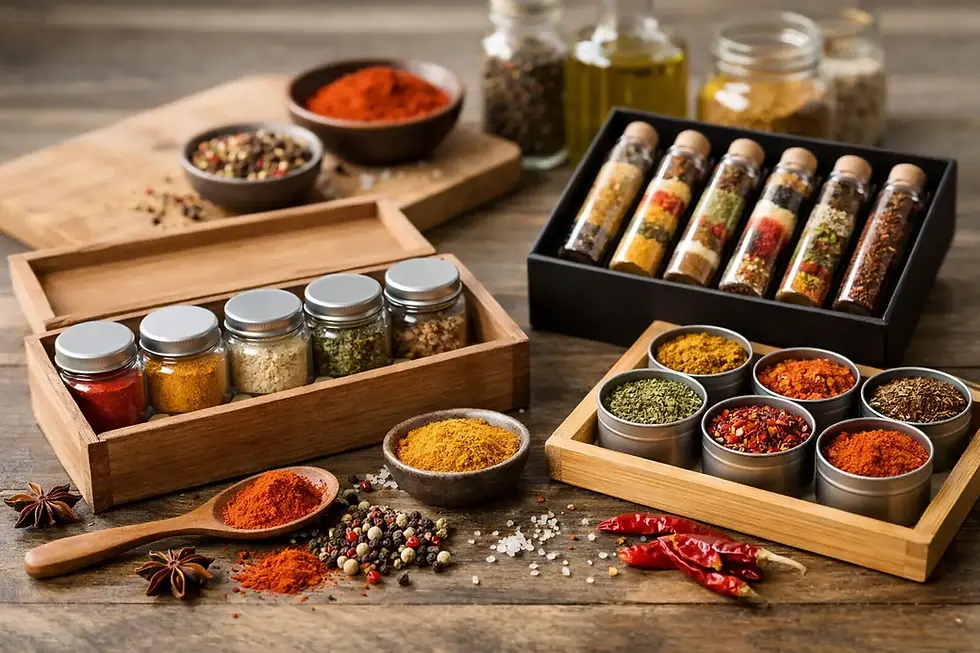
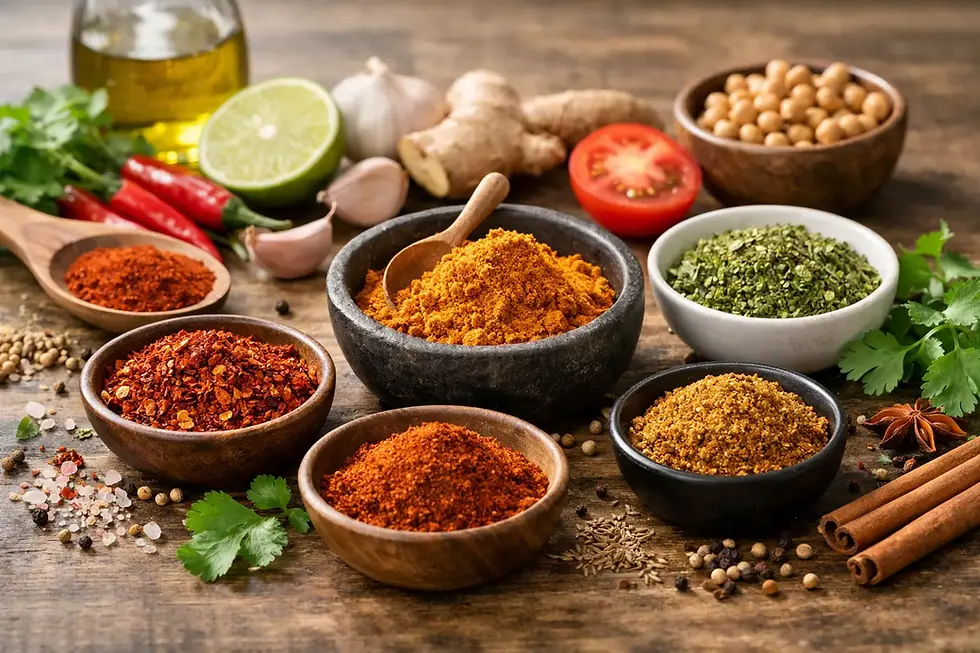
As for spices, this is where the flavour really wakes up. A good onion bhaji usually includes turmeric for colour, cumin for warmth, coriander for citrusy depth, and chilli for a bit of kick. Some recipes add nigella seeds or mustard seeds, which can be excellent, but they are optional rather than essential. Salt matters more than many people think because it draws moisture from the onions and seasons the mixture properly.
Fresh coriander and a little finely chopped green chilli add freshness, but if you want a dependable, takeaway-style flavour without measuring out half a spice cupboard, a ready-mixed onion bhaji blend can save time and still deliver plenty of punch. That is especially handy on a weeknight when you want the fun part of cooking without the guesswork.
The method that makes the difference
Start by slicing your onions and placing them in a large bowl with salt. Give them a good toss and leave them for 10 to 15 minutes. This step is worth doing because it softens the onions slightly and helps release moisture. That moisture then helps bind the gram flour to the onions, which means you often need less added water than you think.
Once the onions have softened a bit, add your spices, chopped coriander if using, and gram flour. Mix everything thoroughly with your hands. This is one of those recipes where hands do a better job than a spoon because you can squeeze and separate the onion slices at the same time, coating them evenly.
Now add water very gradually. This is the part that catches people out. You are not aiming for a pourable batter like pancake mix. Onion bhaji mixture should be shaggy and clinging, just wet enough to hold together when pressed. If it looks loose and smooth, you have probably added too much water, and the bhajis are more likely to spread and turn dense.
Let the mixture sit for another 10 minutes if you can. The flour hydrates, the spices settle in, and the whole thing becomes easier to shape. It is a small pause that often improves the final texture.
Frying onion bhajis for crisp results
When people ask how to make onion bhajis properly, what they often mean is how to stop them going oily. The answer is heat control. If the oil is too cool, the bhajis soak it up and become heavy. If it is too hot, the outside darkens before the middle cooks.
Heat a neutral oil in a deep pan until a small pinch of mixture sizzles immediately and rises steadily to the surface. If you have a thermometer, around 170 to 180C is a good range. You do not need to shape the bhajis into perfect balls. In fact, a rough clump pressed together lightly gives a more traditional look and a better crunch.
Lower spoonfuls or small handfuls carefully into the oil without overcrowding the pan. Fry them in batches so the oil temperature stays steady. Turn them occasionally and cook until deep golden and crisp, usually around 4 to 5 minutes depending on size. Lift them out with a slotted spoon and drain on kitchen paper.
The smell at this point is exactly why bhajis are worth making from scratch. The onions turn sweet, the spices bloom in the hot oil, and the edges go beautifully crisp. Serve them straight away if you want the best texture.
Common mistakes and how to fix them
If your bhajis are falling apart in the oil, the mixture is probably too dry or the onion slices are too chunky. A tiny splash more water can help, but only add it sparingly. If they hold together but feel doughy inside, the mixture may be too wet or the bhajis too large. Make smaller portions and keep the batter rough rather than smooth.
If they are pale and soft, your oil was likely not hot enough. If they are dark on the outside and raw in the middle, the oil was too hot. There is a bit of feel to frying, and the second batch is often better than the first once you have adjusted.
Another issue is underseasoning. Onion bhajis need confidence. Onion and gram flour are both quite forgiving, but they can taste flat if the spice level is timid. That does not mean making them mouth-blowingly hot. It means making sure the mix has enough warmth, salt and depth to stand up once cooked.
Oven and air fryer versions
Deep frying gives the best texture, and there is no point pretending otherwise. It produces the most even crunch and that classic takeaway finish. But if you want a lighter option, you can still make very tasty bhajis in the oven or air fryer.
For the oven, shape the mixture into small mounds on a well-oiled tray, brush or drizzle with more oil, and bake at 200C until crisp and browned, turning once. They will be a little drier and less dramatic around the edges, but still full of flavour.
In an air fryer, cook at around 180C in a single layer, again with a light brushing of oil. This method works best when the bhajis are compact enough to hold together. The result is slightly neater and a touch less rich, but it suits anyone after an easier midweek version.
What to serve with onion bhajis
Onion bhajis are brilliant as a starter, side or picky-bits supper. Mint yoghurt, mango chutney and a sharp tamarind dip all work well because they contrast with the savoury fried coating. If you are building a bigger spread, bhajis sit perfectly alongside poppadoms, pilau rice and a curry night table loaded with colour and flavour.
They are also surprisingly good tucked into wraps with salad and yoghurt sauce, especially if you have leftovers. The crunch softens slightly, but the spice and sweetness from the onion still carry through beautifully.
If you are cooking for family or friends, make a larger batch and keep the first round warm in a low oven while the rest fry. Few things get people into the kitchen faster than the smell of bhajis cooking.
Why homemade bhajis are worth it
Learning how to make onion bhajis gives you more control over everything that matters - the spice level, the crispness, the size and the finish. You can go bolder with chilli, lean into earthy cumin, or keep them mild enough for everyone round the table. You can also make them fresh, which is when they are at their absolute best.
A good spice blend helps here because it removes the stop-start measuring and lets you focus on texture and cooking. That is often the difference between making bhajis once and making them regularly. At Spicy Joes, that is exactly the sort of cooking we love most - big flavour, simple method, and food that feels like a treat without being hard work.
The next time you fancy a fakeaway, skip the disappointing freezer version and make a batch from scratch. A bowl of sliced onions, a fistful of spice, hot oil and a bit of confidence can take you a long way.
Comments