


Vegan Spice Blends for Big, Easy Flavour
- Nigel Richards
- 4 days ago
- 6 min read
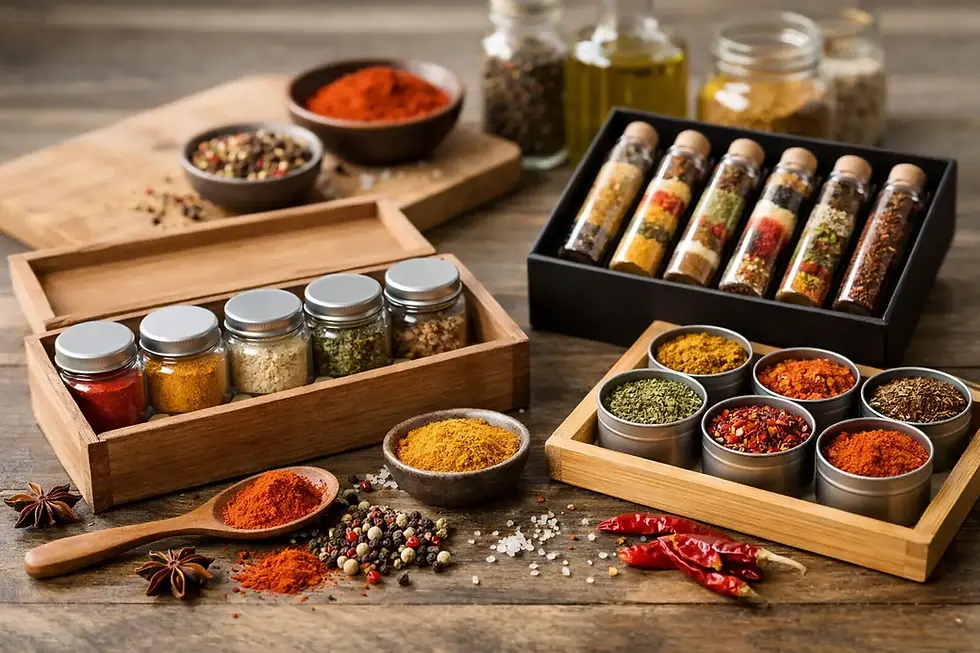
A tin of vegan spice blends can do far more than rescue a plain bowl of lentils. Used well, it can turn a weeknight cauliflower traybake into a proper feast, give a humble chickpea curry takeaway-style depth, or make grilled veg the part of the barbecue everyone reaches for first. The secret is not piling in heat for the sake of it. It is choosing blends with character, then giving them the right moment to shine.
For plant-based cooks, spices are not a substitute for good ingredients. They are the fast route to layers of aroma, colour and warmth that make everyday vegetables, beans, grains and meat alternatives feel generous and exciting. Whether you cook vegan every day or simply want more meat-free meals in the mix, a few well-chosen blends remove the guesswork.
What makes a spice blend vegan?
At its simplest, a vegan blend is made from herbs, spices, chillies, salt and other plant-based ingredients, with no dairy, meat, fish, egg or honey. That sounds obvious, but labels still matter. Some seasoning mixes include milk powder, yoghurt powder, cheese, butter flavouring, chicken stock, fish sauce powder or sugar processed with non-vegan ingredients.
Indian-inspired blends are often a brilliant starting point because the spice base itself is naturally plant-based. Cumin, coriander, turmeric, paprika, fenugreek, cardamom, cinnamon, black pepper and chilli bring huge flavour without needing anything from an animal. The final recipe is where dairy or ghee can creep in, so use plant-based yoghurt, coconut milk, vegetable stock and oil where needed.
There is another distinction worth making: vegan does not automatically mean mild, healthy or suitable for every dish. A fiery madras-style blend may be completely vegan but overwhelm delicate courgettes. A salty barbecue seasoning can be ideal on chunky mushrooms yet need a lighter hand in a soup. Great cooking is about matching the blend to the ingredient and your own table.
Vegan spice blends worth keeping in the cupboard
You do not need a shelf packed with half-used jars to cook boldly. Start with blends that earn their place across several meals.
A warm curry blend
A balanced curry blend is the everyday hero for chickpeas, lentils, roasted squash, cauliflower, potatoes and spinach. Look for a rounded profile with earthy cumin and coriander, gentle turmeric and enough chilli to wake up the dish without taking over. Fry it briefly in oil with onion, garlic and ginger before adding tomatoes, stock or coconut milk. That short sizzle releases the fragrant oils and gives a fuller, more restaurant-style result.
For a quick family supper, stir the blend into softened onions, add a tin of tomatoes and chickpeas, then finish with spinach and a squeeze of lemon. Serve with rice, flatbreads or a jacket potato. Simple ingredients, serious flavour.
Tikka-style and tandoori-style blends
These blends are made for smoky, tangy, charred edges. They are especially good with cauliflower florets, tofu, mushrooms, aubergine and thick wedges of onion. Mix the spices with plant-based yoghurt, lemon juice, a little oil and grated garlic, then coat your chosen ingredient and leave it for 20 minutes if time allows. Roast hot, grill or cook in an air fryer until the edges catch.
The trade-off is that a yoghurt marinade can soften tofu if it sits too long, particularly silken varieties. Choose extra-firm tofu, press it first, and keep the marinade to a few hours rather than overnight. For vegetables, longer is usually fine, but do not drown them - the heat of the oven needs room to work its magic.
Balti, jalfrezi and madras-style blends
When you want a saucier curry with punch, these are your big hitters. Balti-style seasoning tends to bring warmth and savoury depth, making it a fine partner for mixed vegetables and butter beans. Jalfrezi-style blends suit a brighter, pepper-and-onion-led curry, especially when you want fresh chilli and tomatoes to stay lively. Madras-style blends are for heat lovers and work beautifully with red lentils, roasted sweet potato or chunky aubergine.
The best approach is to build heat gradually. Start with less than you think, taste once the sauce has simmered, then add more. Chilli develops as it cooks, and it is much easier to increase than to rescue a curry that has gone from pleasantly hot to practically inedible.
Garlic chilli and barbecue blends
Not every vegan meal needs to be a curry. Garlic chilli seasoning brings an instant savoury kick to crispy potatoes, sautéed greens, noodles, stir-fried cabbage and even homemade popcorn. A barbecue blend can transform mushroom burgers, jackfruit, corn on the cob and baked beans.
For dry cooking, toss vegetables with oil and seasoning before roasting. For sticky results, mix the blend into tomato purée, maple syrup or date syrup, cider vinegar and a splash of water, then brush it on near the end of cooking. Add it too early and the sugars may catch before the veg has cooked through.
How to use spice blends without losing their flavour
The same blend can taste completely different depending on when it enters the pan. For a curry, chilli, cumin and coriander-rich blends benefit from 20 to 30 seconds in warm oil after the onions have softened. Keep the heat moderate and stir constantly. Burnt spices turn harsh and bitter, which no amount of coconut milk will fully hide.
For soups, stews and dhal, bloom the spices first, then give the pot time. Lentils and beans need seasoning at more than one stage: add a modest amount early for depth, then taste at the end and finish with another pinch if needed. A final squeeze of lemon, a spoonful of chutney or fresh coriander makes the spices taste clearer rather than heavier.
For roasting, seasoning before cooking gives the spices time to cling and toast. But delicate herb blends can lose their freshness at high heat. In that case, roast with salt, pepper and oil, then add the herb-rich blend during the final five minutes or toss it through after cooking.
Meat alternatives need a little extra thought. Plain tofu, tempeh and soya mince absorb flavour readily, but they also benefit from salt, acidity and fat alongside spice. A blend on its own may taste flat. Add a splash of tamari, lemon juice or vinegar, plus enough oil to carry the aromas. With shop-bought vegan sausages or burgers, use spices more lightly - they are often already seasoned.
Build a better vegan meal around the blend
The most satisfying plant-based dishes tend to balance five things: a bold spice base, something hearty, something fresh, a little richness and a sharp finish. Think spiced lentils with roasted cauliflower, creamy coconut sauce, crisp red onion and lime. Or tikka mushrooms in a wrap with shredded lettuce, mango chutney and pickled chillies.
This is where a good cupboard starts to feel useful rather than cluttered. Pair a curry blend with dried lentils and tinned tomatoes. Bring a jalfrezi-style blend to life with peppers, onions and a tin of beans. Use a smoky barbecue blend with corn, black beans and avocado. One blend can take you through several dinners when you vary the texture and finishing touches.
At Spicy Joes, the appeal of a handcrafted blend is that it gives home cooks a confident starting point while leaving room to make the dish your own. Add more chillies, keep it mellow, swap chickpeas for tofu, or turn last night's roasted veg into a quick filling for wraps. Good spice cooking should feel flexible, not fussy.
Freshness matters more than a huge collection
Ground spices do not stay at their best forever. They rarely become unsafe, but their fragrance fades, and a faded blend makes food taste dusty rather than vibrant. Keep blends in tightly sealed containers away from the cooker, sunlight and steam. A cool cupboard is better than the shelf directly above the hob.
Buy quantities you will genuinely use, and give each blend a purpose. If you cook curry once a week, a versatile curry or balti blend will work harder than five highly specific packets. If barbecue season is your thing, a smoky chilli blend may be the one worth keeping close to hand. Fresh, well-used spices beat an impressive but forgotten collection every time.
Tonight, pick one blend, one vegetable and one hearty staple from the cupboard. Give the spices a little heat, finish the dish with something sharp and fresh, and let a simple vegan supper taste like the meal you had actually been looking forward to all day.

Comments