

What Is Tikka Masala Seasoning?
You know that moment when a curry hits the table and the aroma gets there first? Creamy, gently smoky, warmly spiced and instantly tempting. That flavour is exactly why people ask, what is tikka masala seasoning - because it captures the heart of one of the UK’s best-loved curry styles in one easy blend.
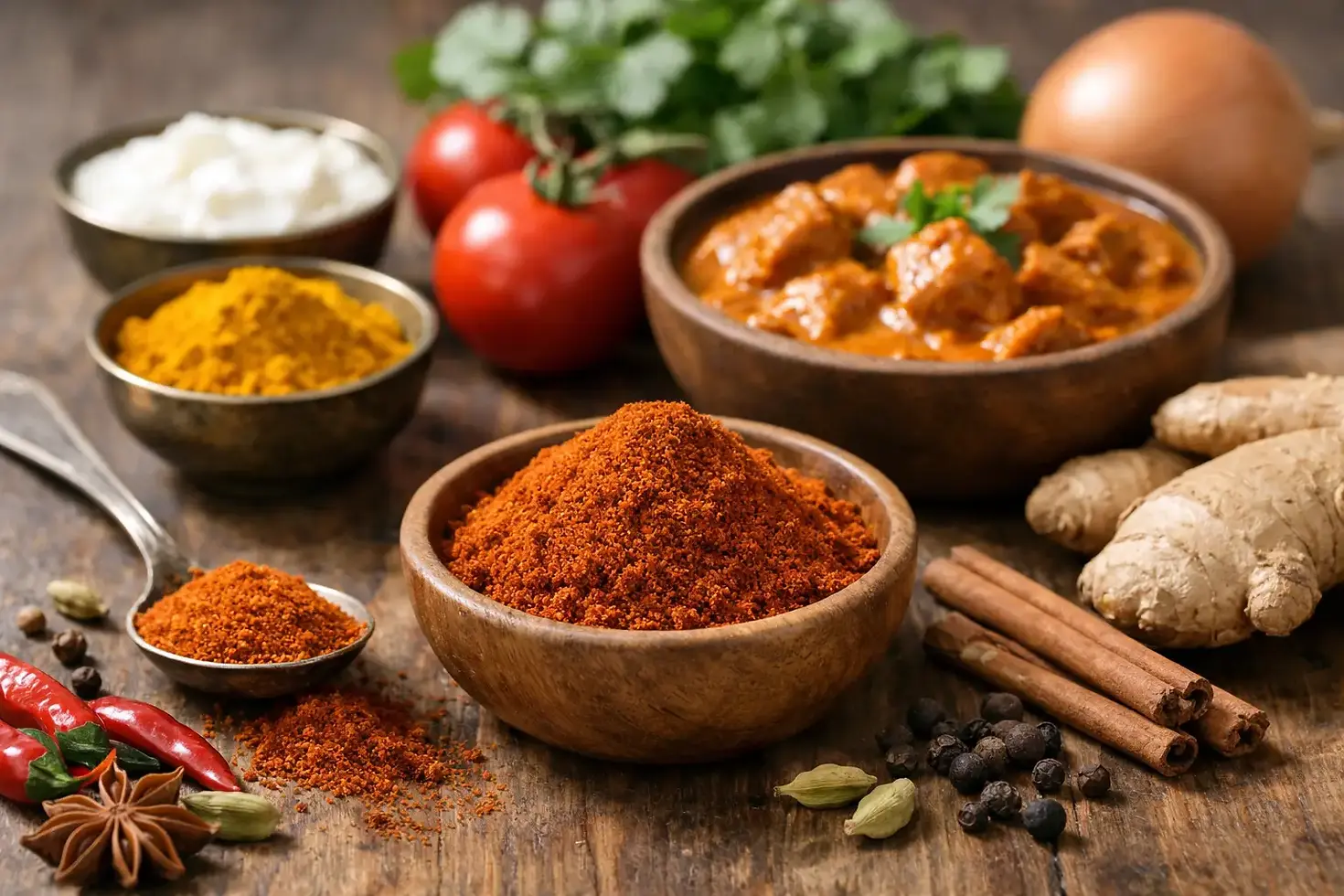
Tikka masala seasoning is a spice mix designed to give food the signature flavour of tikka masala dishes. It usually combines warm spices such as cumin, coriander, paprika, turmeric, ginger, garlic and chilli, often with a few sweeter or deeper notes like cinnamon, fenugreek or cloves depending on the recipe. The result is rich, rounded and full of character rather than fiercely hot.
For home cooks, that matters. Instead of measuring out a shelf full of spices every time you fancy a fakeaway, a good blend does the hard work for you. You still get that bold, restaurant-style flavour, but with far less fuss.
What is tikka masala seasoning made of?
There is no single rulebook, which is part of the appeal. Different spice blenders build tikka masala seasoning in slightly different ways depending on whether they want it brighter, creamier, smokier or warmer. Even so, most blends sit around a familiar core.
Cumin and coriander usually bring the earthy backbone. Paprika adds colour and gentle sweetness, while turmeric gives that warm golden tone people expect from many Indian-inspired dishes. Garlic and ginger create savoury depth, and chilli gives the blend a little kick, though usually not enough to overpower the other flavours.
Then come the supporting notes. Fenugreek can add that unmistakable curry-house aroma. Cinnamon, cardamom or cloves may appear in smaller amounts for warmth and complexity. Some blends lean slightly tangy, while others push more towards sweetness or smokiness. That is why one tikka masala can taste silkier and milder, while another feels punchier and more tomato-friendly.
A quality blend should smell lively the moment you open it. If the seasoning smells flat or dusty, the finished dish usually will too. Freshness makes a huge difference with spice blends, especially one as aromatic as tikka masala.
How does tikka masala seasoning taste?
If you are expecting a blow-your-head-off chilli mix, tikka masala seasoning is not that. It is built for balance. The flavour is warm, savoury and rounded, with gentle sweetness and a mild to medium heat level.
The best way to think of it is comfort with attitude. You get fragrant spice, a little earthiness, a subtle smoky edge from paprika in some blends, and enough warmth to keep things interesting. It is designed to be crowd-pleasing, which is one reason tikka masala remains such a family favourite.
That said, taste can shift depending on how you use it. Stirred into yoghurt for a marinade, it feels fresher and more aromatic. Cooked with onions, tomatoes and cream, it becomes richer and deeper. Added to vegetables or paneer, the spices can come through in a brighter, more direct way.
Tikka seasoning vs tikka masala seasoning
This is where plenty of people get caught out. Tikka seasoning and tikka masala seasoning sound similar, but they are not always the same thing.
Tikka seasoning is often the simpler, punchier blend used mainly for marinating meat, paneer or vegetables before grilling or roasting. It tends to focus on spice, colour and savoury depth. Tikka masala seasoning usually goes a step further. It is blended with the finished curry flavour in mind, so it often has a slightly fuller, rounder profile that works beautifully in a sauce.
In practical terms, tikka is often about the grilled pieces, while tikka masala is about the whole dish. Of course, some blends can do both. If you want one jar that gives you flexibility, a well-balanced tikka masala seasoning is a strong shout because it can season the protein and help build the sauce too.
What is tikka masala seasoning used for?
The obvious answer is chicken tikka masala, but that is only the starting point. This blend is brilliant for anyone who wants big flavour without turning dinner into a full-scale spice project.
For a classic curry, you can use it to marinate chicken with yoghurt and lemon juice, then cook it with onions, garlic, tomatoes and cream or yoghurt for a rich sauce. If you prefer a lighter dinner, it works just as well with chicken breast, chicken thighs or turkey cooked in a tomato-based sauce without too much cream.
It is also excellent with paneer, cauliflower, chickpeas and roasted veg. Stir it into natural yoghurt for a quick coating, roast everything until lightly charred, then finish with a splash of cream or a spoon of chutney if you want extra richness. It turns midweek ingredients into something that feels a lot more special.
You can use tikka masala seasoning beyond curries too. It gives a serious lift to wraps, rice bowls, loaded chips, potato wedges and even spiced mayo. Mixed into a little oil, it becomes an easy rub for kebabs or traybakes. If your cooking style is more “get dinner on and get on with the evening”, this is exactly the kind of blend that earns its place in the cupboard.
How to cook with tikka masala seasoning
There is more than one route to a great result, and it depends on the kind of dish you want.
If you are making a marinade, mix the seasoning with yoghurt, a bit of oil and lemon juice. This helps the spices cling to the food and gives you that classic tikka-style coating. Chicken and paneer are especially good here because they take on flavour well and colour up beautifully under the grill or in the oven.
If you are building a sauce, fry onions gently first, then add the seasoning to the pan for a short time before adding tomatoes or passata. That quick bloom in hot oil wakes the spices up and gives the finished dish a deeper flavour. Add cream, yoghurt or coconut milk depending on how rich you want it.
The main trade-off is control versus convenience. A ready blend makes life easier and keeps the flavour consistent, but you have less freedom than if you build a curry from individual spices. For most home cooks, that is a fair swap. You save time, reduce guesswork and still get a cracking dinner.
Is tikka masala seasoning spicy?
Usually, no - at least not in a fiery sense. Most tikka masala seasonings are made to be flavourful first and hot second. That is part of why they work so well for families and for anyone who likes warmth without too much burn.
Still, not all blends are equally mild. Some add more chilli for a stronger kick, while others stay very gentle and let the sweeter spices do more of the talking. If you like more heat, you can always add fresh chilli, chilli flakes or a hotter chilli powder alongside the blend. If you want it milder, use a bit less seasoning and add more cream, yoghurt or tomato to soften the edge.
Why a good blend makes such a difference
Tikka masala seasoning sounds simple, but balance is everything. Too much turmeric and the blend can taste blunt. Too much cinnamon or clove and it starts to feel heavy. Not enough garlic, ginger or paprika and the dish lacks that proper takeaway-style punch.
A well-made blend saves you from that balancing act. It gives you consistency, speed and confidence, especially on busy evenings when you want something bold and satisfying without standing over the hob for ages. That is the sweet spot for modern home cooking - proper flavour, less faff.
For anyone building a spice collection, this is one of those blends that punches above its weight. It is versatile, familiar and easy to use, but it still delivers that rich curry-house feel people crave.
What is tikka masala seasoning really about?
At its best, tikka masala seasoning is not just a shortcut. It is a flavour builder. It brings together warmth, savoury depth, gentle sweetness and a touch of heat in a way that makes home-cooked food feel generous and full of life.
If you love the idea of restaurant-style dinners without the mystery and measuring, this is one blend worth keeping close to hand. A fresh, bold tikka masala seasoning gives you plenty to play with - whether you are cooking a Friday night fakeaway, a quick family curry or a tray of spiced roast veg that deserves much more credit than it usually gets.
And that is the real beauty of it: one good blend, a few everyday ingredients, and dinner suddenly smells like something worth gathering round for.


Comments