

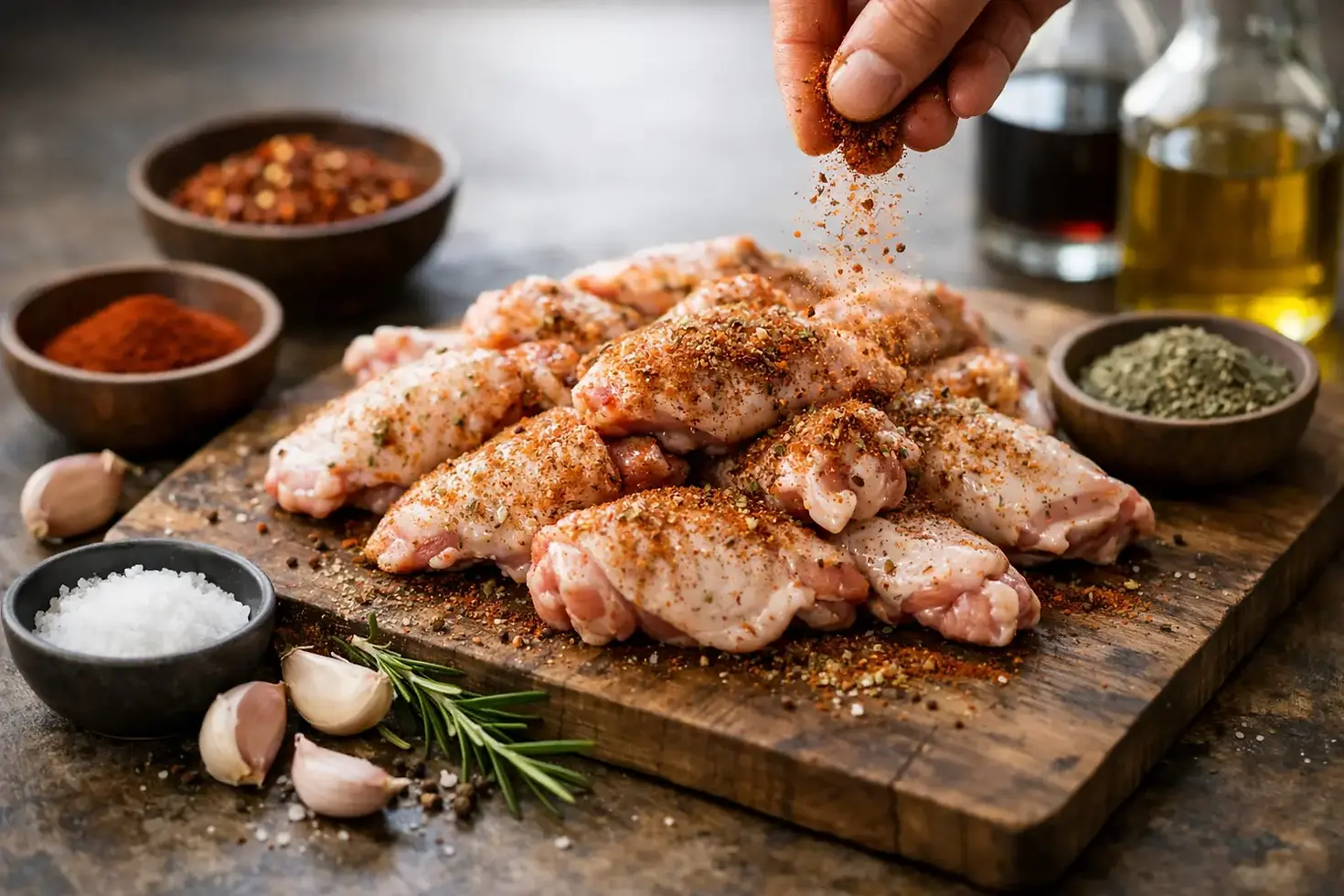
How to Season Chicken Wings for Big Flavour
- Nigel Richards
- Jul 19
- 6 min read
A great chicken wing should be crisp at the edges, juicy around the bone and properly seasoned all the way through. Learning how to season chicken wings is less about piling on heat and more about building layers: salt for savouriness, spices for warmth, chilli for a kick and a little sweetness or tang to keep every bite interesting.
The good news is that wings are one of the easiest cuts to make exciting. They happily take on a punchy dry rub, a sticky marinade or a glossy sauce after cooking. Whether you are feeding the family, firing up the barbecue or putting out a plate for match day, a few well-chosen spices will make them disappear fast.
Start with dry, well-prepared wings
Seasoning sticks best to wings that are dry. Pat them thoroughly with kitchen roll before adding anything else, especially if they have been defrosted. Excess moisture dilutes a rub and works against crisp skin, leaving you with flavour that slides off rather than clings on.
If you have time, salt the wings first and leave them uncovered in the fridge for a few hours. This is a simple dry-brining trick that seasons the meat more deeply and dries the skin slightly, which helps it crisp in the oven or air fryer. For a quick midweek supper, seasoning immediately still works brilliantly.
Use a light coating of oil before a dry rub - around one tablespoon per kilogram of wings is usually enough. The oil helps spices adhere and encourages browning, but too much can make the rub greasy and prevent the skin from crisping properly.
How to season chicken wings with a dry rub
A dry rub is the quickest route to seriously flavourful wings. It is ideal for baking, air frying and barbecuing, and it lets the chicken skin stay crisp rather than wet. The best rubs balance salty, smoky, savoury and spicy notes rather than relying on chilli alone.
For one kilogram of chicken wings, start with one and a half teaspoons of fine salt, one teaspoon of garlic granules, one teaspoon of smoked paprika, half a teaspoon of black pepper and half to one teaspoon of chilli powder, depending on how fiery you like things. Add a teaspoon of light brown sugar if you want caramelised barbecue-style wings.
Toss the wings with oil and the rub in a large bowl until every piece is evenly coated. Do not be shy about getting your hands involved. Wings have plenty of folds and creases, and that is where pockets of flavour hide.
Freshly ground spices make a noticeable difference here. Paprika that is bright and sweet, fragrant cumin and lively black pepper give a homemade rub the kind of depth that turns a simple tray of wings into the first thing people reach for. A quality ready-blended seasoning is also a smart shortcut when you want big flavour without measuring several jars.
Four dry-rub flavour directions
Choose a flavour profile to suit the rest of your spread. These combinations work well with one kilogram of wings:
Smoky barbecue: smoked paprika, garlic granules, onion granules, black pepper, chilli powder, brown sugar and salt.
[Salt and pepper](https://www.spicyjoes.co.uk/product-page/chinese-style-salt-pepper-blend): plenty of cracked black pepper, sea salt, garlic granules, a little white pepper and a pinch of sugar.
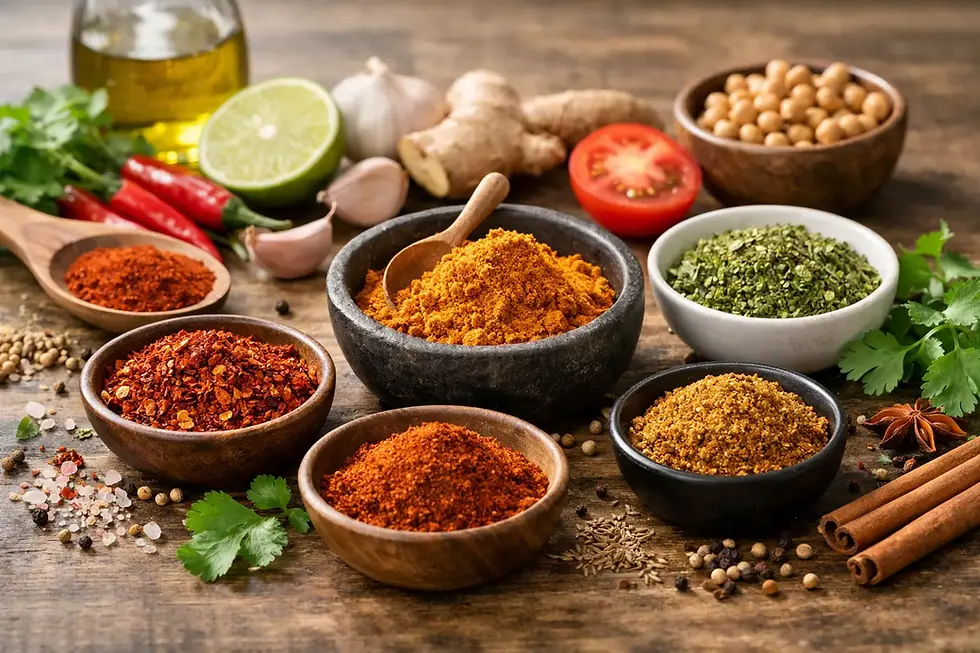
Tandoori-style: tikka seasoning, ground cumin, garlic, a pinch of Kashmiri chilli for colour and salt.
Garlic chilli: garlic granules, crushed chilli, paprika, black pepper, oregano and a squeeze of lemon after cooking.
For an Indian-inspired traybake, a tikka or garlic chilli chicken blend gives wings a warming, restaurant-style character with far less fuss. Spicy Joes blends are made for exactly this sort of confident, flavour-packed home cooking - measure, toss and let the oven do the hard work.
When a marinade is the better choice
Marinades bring flavour to the surface and add tenderness, though they produce a different finish from a dry rub. Expect juicy, richly seasoned wings with a little less crackle, particularly if the marinade contains yoghurt, lemon juice or lots of sauce.
A yoghurt marinade is excellent for tandoori-style wings. Mix Greek yoghurt with tikka seasoning, grated garlic, ginger, lemon juice, salt and a small drizzle of oil. Coat the wings and chill for at least 30 minutes, or up to overnight. The yoghurt cushions the spices and helps the chicken stay succulent under high heat.
For sticky wings, keep the initial seasoning fairly simple, then add your sweet or sugary sauce towards the end of cooking. Honey, maple syrup, barbecue sauce and sweet chilli sauce burn quickly. Cook the wings until almost done, brush on the sauce, then return them to the oven or barbecue for five to 10 minutes, turning once. You get a lacquered finish instead of blackened sugar.
Acid needs a little restraint. Lemon juice, lime and vinegar brighten rich chicken skin, but leaving wings in a strongly acidic marinade for too long can make the outer texture soft or slightly mushy. Thirty minutes to four hours is generally plenty for a lemon-led marinade.
Get the salt, heat and sweetness right
The difference between good wings and unforgettable wings is often balance. Salt makes spices taste fuller, but a salty seasoning blend plus a salty sauce can quickly tip too far. If your rub contains salt, taste any finishing sauce before adding extra. This matters even more with soy sauce, hot sauce and shop-bought barbecue sauce.
Heat is personal. Chilli flakes give a sharper, more direct burn, while chilli powder distributes heat more evenly through a rub. Cayenne is hot and clean; Kashmiri chilli is milder and brings a beautiful red colour; smoked chilli adds depth as well as fire. Start modestly if you are cooking for a crowd, then serve extra chilli sauce on the side for the heat seekers.
A small amount of sugar rounds out salty and spicy flavours, but it is optional. Use it for barbecue or smoky rubs, and leave it out when you want savoury salt-and-pepper wings. If you are cooking over fierce coals, use less sugar or add it in a glaze near the end, because it can catch fast.
Cook the wings so the seasoning shines
Seasoning needs the right cooking method behind it. For oven wings, arrange them in a single layer on a rack over a lined tray, if you have one. The hot air can circulate underneath, helping the skin render and crisp. Bake at 200C fan for roughly 40 to 50 minutes, turning once, until the wings are deeply golden and the thickest parts are cooked through.
An air fryer is brilliant for smaller batches. Cook at around 200C, shaking or turning halfway through. Times vary by machine and wing size, but 20 to 25 minutes is a useful guide. Avoid cramming the basket - crowded wings steam, and steamed skin will never give you that satisfying crunch.
On the barbecue, start wings over indirect heat so the fat can render without scorching the spices. Move them over direct heat at the end for charred edges. This is particularly important for rubs containing paprika, garlic or sugar, all of which can burn before the chicken is ready if exposed to an aggressive flame from the start.
Whatever method you choose, let cooked wings rest for five minutes before serving. The skin stays hotter and crisper than you might expect, and the short rest lets the juices settle back into the meat.
Finish with one bright final note
A final flourish stops rich wings tasting heavy. Squeeze over lemon or lime, scatter sliced spring onions or fresh coriander, or add a pinch of flaky salt while the wings are still hot. For sticky wings, a final dusting of dry seasoning brings back the savoury spice aroma that sauce can soften.
Serve creamy yoghurt dip with hot, tandoori-style wings, cooling coleslaw beside smoky barbecue wings, or a sharp pickled onion salad with garlic chilli wings. The contrast is what keeps you reaching for another.
The best batch is the one adjusted to your own table: mild enough for a family tea, fiery enough for friends who love chilli, or boldly spiced for a proper weekend feast. Keep a few favourite blends in the cupboard, trust your taste buds and give every wing a generous coating - because bland chicken wings are simply not worth the mess on your fingers.

Comments