
A Guide to Smoky BBQ Seasonings for Big Flavour
That deep, just-off-the-grill flavour is not only about smoke pouring from the barbecue. A good guide to smoky BBQ seasonings starts with the spice cupboard: sweet paprika, warming pepper, savoury garlic and onion, a little sweetness, and enough chilli to give the finish some excitement. Get that balance right and a Tuesday chicken traybake can taste every bit as tempting as a sunny weekend cook-up.
Smoky seasoning should make food taste fuller, richer and lightly charred - not cover up the flavour of the meat, fish or vegetables beneath it. Whether you are firing up the coals, cooking on a gas barbecue or using a griddle pan in the kitchen, the right blend does plenty of the heavy lifting.
What makes BBQ seasoning taste smoky?
The classic smoky note usually comes from smoked paprika. Made from peppers dried over wood smoke before grinding, it brings a rounded, savoury warmth and a deep red colour. It is very different from ordinary sweet paprika, which adds gentle pepper sweetness but little smoke, and from hot paprika, which can bring more fire than you want in a family-friendly rub.
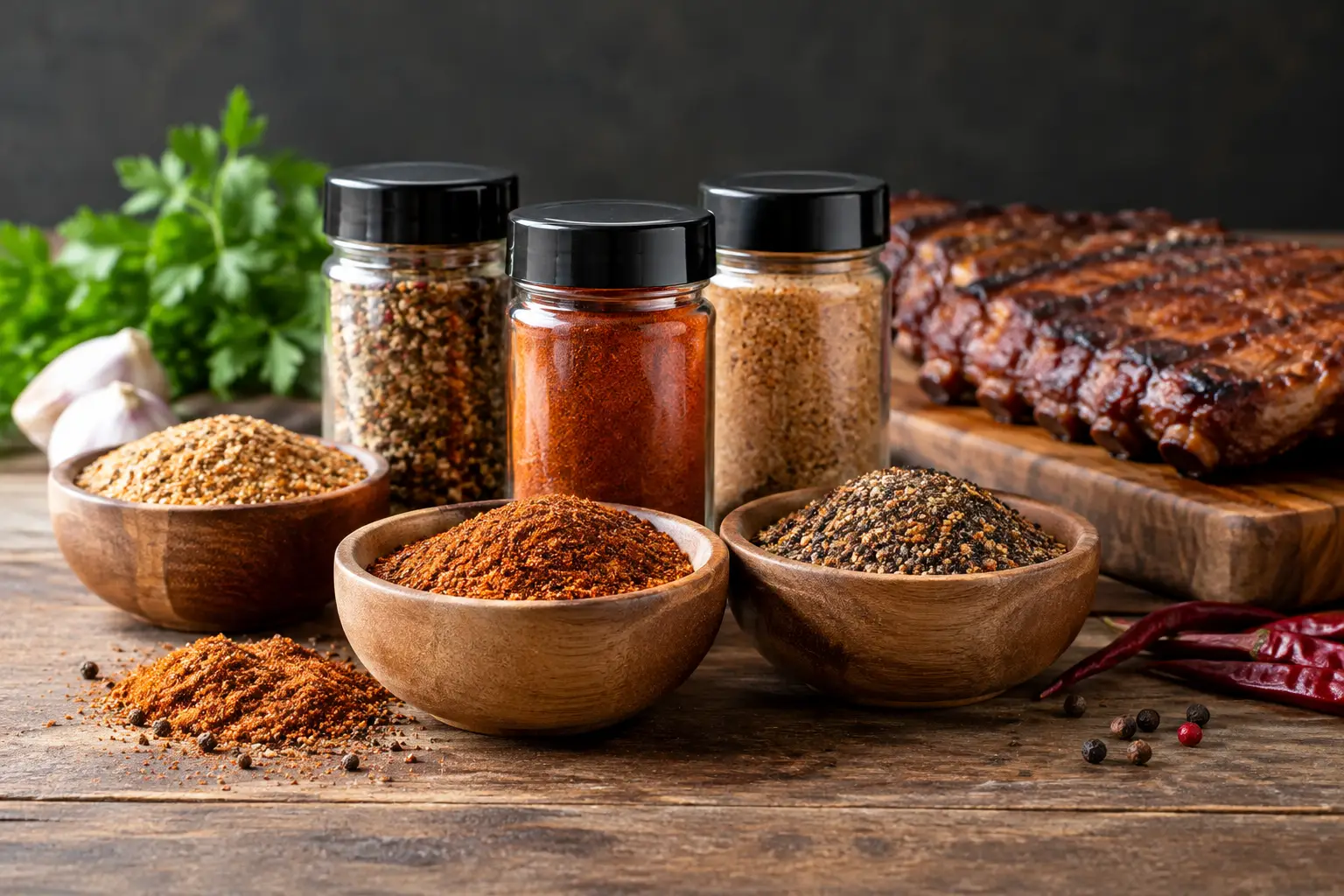
But smoked paprika alone does not make a proper BBQ seasoning. The best blends have contrast. Garlic and onion add that familiar savoury base. Black pepper gives a sharp edge. Cumin brings an earthy, almost toasted warmth. Mustard powder adds a gentle tang, while dried herbs can lift richer foods. Brown sugar or dark sugar is often used for its caramelised crust, particularly on ribs, wings and pork shoulder.
Then there is chilli. A touch of cayenne, chilli powder or crushed chillies turns smoky into smoky-hot. It is worth remembering that heat builds as food cooks, especially when a rub is applied generously. If children are eating or you prefer a milder plate, keep the rub warm and smoky, then put hot sauce or chilli flakes on the table for anyone who wants extra bite.
A guide to smoky BBQ seasonings by ingredient
A memorable BBQ rub is about choosing the right lead flavour for the food in front of you. Smoky paprika is usually the foundation, but the supporting spices change the result.
For sweet, sticky barbecue flavour
Choose smoked paprika, garlic, onion, black pepper and a little sugar. This is the big crowd-pleaser profile for chicken wings, pork ribs, burgers and sausages. The sugar helps create those dark, sticky edges everyone reaches for first, but it needs sensible heat. On a fierce barbecue, sugar can catch quickly and turn bitter before the meat is cooked through.
For longer cooks, use a lower heat and give the meat time to take on colour. If you are cooking chicken pieces over direct heat, season first, cook until nearly done, then brush on any sweet glaze near the end. That way, you get the lacquered finish without a burnt coating.
For bold, peppery barbecue flavour
Turn up cracked black pepper, garlic, onion and mustard, with smoked paprika for depth. This profile is brilliant on steaks, brisket-style beef, lamb chops and mushrooms. It is less sugary and more savoury, which means it handles high-heat cooking well.
A pepper-forward rub also works beautifully when you want a barbecue flavour that does not feel overly sweet. Serve it with sharp pickles, a tomato salad or a spoonful of chutney to cut through the richness.
For spicy, smoky flavour
Bring in cumin, coriander, chilli and a little cinnamon or allspice alongside the smoked paprika. These warmer spices give the seasoning a fuller, more layered character, especially good with chicken thighs, lamb skewers, cauliflower and grilled halloumi.
This is where Indian-inspired cooking and barbecue get seriously exciting. Cumin and coriander love charred food, while chilli wakes up fatty cuts and creamy sides. A spoonful of yoghurt, lemon juice and oil mixed with the seasoning makes a quick marinade for chicken, paneer or vegetables. Leave it for at least 30 minutes if you can, but even 10 minutes adds flavour.
For smoky seasoning without much heat
Use plenty of smoked paprika, sweet paprika, garlic, onion and dried oregano, then keep the chilli low or leave it out altogether. It gives you that barbecue aroma with a gentler finish, ideal for family meals, jacket potato toppings, corn on the cob and homemade wedges.
If your seasoning tastes flat, the answer is not always more chilli. A pinch of salt, a squeeze of lemon, or a sharp condiment served alongside can make the smoky spices taste much brighter.
Rub, marinade or finishing seasoning?
The same smoky BBQ blend can work in several ways, but the timing matters. A dry rub is the best choice when you want a crust. Pat meat or vegetables dry, lightly coat with oil, then massage in the seasoning. For chicken thighs, pork chops or tofu, season 30 minutes ahead. Larger cuts can take a rub several hours before cooking, provided they are kept chilled.
A marinade carries flavour beyond the surface, especially with yoghurt, oil, citrus or a little vinegar. The trade-off is texture: too much acid for too long can make chicken or seafood slightly soft. For prawns, 15 to 20 minutes is enough. For chicken, two to six hours works well. For pork shoulder or lamb, you have more flexibility.
Finishing seasoning is your secret weapon when food needs a last burst of flavour. Sprinkle a little smoky blend over hot chips, roasted sweet potato, grilled corn or buttered mushrooms just before serving. It is also excellent stirred into mayo, softened butter, sour cream or olive oil for a speedy barbecue dip.
How much seasoning should you use?
For everyday cooking, start with around one tablespoon of seasoning per 500g of meat, fish, tofu or vegetables. Add a little oil so the spices cling evenly. With a salt-free blend, you can season more generously and add salt to taste. With a blend that already contains salt, go more carefully until you know its strength.
Do not be afraid to taste as you go where it is safe to do so. Taste a sauce, dressing or butter before it reaches the plate. With raw meat, never taste the marinade after it has been in contact with the food. Instead, reserve a small amount of seasoned marinade before adding the meat if you want to use it as a sauce later.
Smoky BBQ ideas beyond the grill
British weather does not always cooperate with barbecue plans, but smoky flavour is not reserved for dry, sunny afternoons. Roast chicken thighs over onions and peppers, then finish with a squeeze of lime. Toss smoky seasoning through minced beef for loaded nachos or burgers. Stir it into baked beans for a quick upgrade to a fry-up, or use it on cauliflower florets before roasting until crisp at the edges.
It also earns its place in vegetarian cooking. Sprinkle it over aubergine before grilling, mix it into a bean burger mixture, or season chickpeas before roasting for a crunchy topping. Smoky spices give plant-based dishes the savoury depth people often associate with grilled meat, without making every meal taste the same.
For a simple family feast, rub chicken drumsticks with smoky seasoning and oil, roast until crisp and cooked through, and serve with corn, slaw and wedges. For something with more heat, add chilli and cumin, then bring yoghurt and a cooling cucumber salad to the table. Small choices like these let everyone build the plate they fancy.
Fresh spices make a noticeable difference here. When paprika, pepper and garlic are aromatic rather than dusty, you need less to get that full barbecue effect. Spicy Joes handmade blends and cupboard staples make it easy to build your own signature flavour, from mellow and sticky to hot, smoky and seriously punchy.
Start with smoked paprika as your base, decide whether you want sweet, peppery or fiery, and let the food guide the rest. A good smoky BBQ seasoning should leave people reaching for one more rib, one more wing, or just one more spoonful of whatever is sizzling.


Comments