

Guide to Seasoning Meat for BBQ with Big Flavour
A great BBQ can be decided before the coals are hot. Give a steak the right hit of salt, coat chicken in a punchy spice rub, or let lamb sit in a fragrant marinade, and even a simple garden supper tastes properly special. This guide to seasoning meat for BBQ takes the guesswork out of building big, smoky flavour without masking the meat itself.
Start with the meat, then build the flavour
Seasoning is not one job. Salt brings out the natural savoury character of meat, spices add warmth and personality, herbs bring freshness, and sugar or fruit-based ingredients help create that dark, sticky barbecue finish. The best route depends on what is going over the grill.
Beef can take confident seasoning. A well-marbled ribeye needs little more than salt, cracked black pepper and perhaps a little garlic or smoked paprika. Leaner cuts, such as rump or sirloin, benefit from a touch of oil and a spice blend that gives the surface extra flavour without burning.
Chicken is a brilliant carrier for bold blends because its mild flavour welcomes chilli, cumin, coriander, garlic, ginger and paprika. Pork loves sweet, savoury and sharp notes - think fennel, mustard, black pepper, brown sugar, apple and chilli. Lamb stands up beautifully to cumin, rosemary, mint, garlic, turmeric and warming Indian-inspired spices.
The point is not to throw everything from the spice cupboard at the meat. Pick a direction: smoky and sweet, herby and lemony, hot and garlicky, or richly spiced. A focused flavour is far more memorable than a muddled one.
Guide to seasoning meat for BBQ: salt first
Salt is the foundation of properly seasoned barbecue. It does more than make meat taste salty. Given time, it seasons beyond the surface and helps meat retain moisture as it cooks.
For steaks, chops and larger chicken pieces, salt at least 40 minutes before cooking where possible. This is often called dry brining. Sprinkle fine sea salt evenly over all sides, then leave the meat uncovered in the fridge on a plate or rack. The surface dries slightly, which also helps browning when it meets the heat.
If time is tight, salt just before the meat goes onto the BBQ. What you want to avoid is salting 10 to 30 minutes beforehand, then leaving the meat at room temperature. In that window, salt draws moisture to the outside but has not had enough time to work back in.
For minced meat in burgers, be more careful. Salt mixed through raw mince can make the texture springy and sausage-like. Shape your patties first, then season the outside generously shortly before grilling.
Choose between a dry rub and a marinade
A dry rub is the quickest way to give meat a bold crust. It is ideal for wings, drumsticks, ribs, pork shoulder, kebabs and chicken thighs. Mix your chosen spices with salt, pepper and a little sugar if you want caramelisation, then pat the meat dry and press the rub onto every surface.
Sugar needs a little thought. Brown sugar gives ribs and pork a glorious sticky finish, but it can catch over a fierce flame. Use a two-zone barbecue, keeping the meat over gentler indirect heat for most of the cook, then move it across for a quick final char. For fast-cooking steaks or thin kebabs, go light on sugar or leave it out altogether.
Marinades work differently. They coat the meat with flavour and are especially useful for chicken, lamb and pork. A good marinade usually has fat, seasoning and aromatics. Oil carries fat-soluble flavours from spices; yoghurt, coconut milk or a little fruit purée helps the coating cling; garlic, ginger, chilli, herbs and spices do the exciting work.
Acidic ingredients such as lemon juice, vinegar and wine can be excellent in small amounts, but they are not a shortcut to tender meat. Leave delicate chicken or thin pork in a very acidic marinade too long and the outside can turn soft and slightly chalky. For most cuts, a few hours is plenty. Yoghurt-based marinades are gentler and can happily sit overnight in the fridge.
Get your spice balance right
The easiest way to create a barbecue seasoning you will want to make again is to balance four elements: savoury depth, warmth, sweetness and heat. Salt and garlic give depth. Paprika, cumin, coriander, black pepper and mustard add warmth. Brown sugar, honey or a little mango chutney bring sweetness. Chilli flakes, cayenne or dried chillies provide heat.
Smoked paprika is a BBQ cupboard hero, but use it as one part of the mix rather than the entire show. Pair it with ground cumin and garlic for smoky chicken, or add black pepper and a little mustard powder for pork. For a brighter, Indian-inspired flavour, use coriander, cumin, turmeric, chilli and ginger with yoghurt, then finish with fresh lemon after cooking.
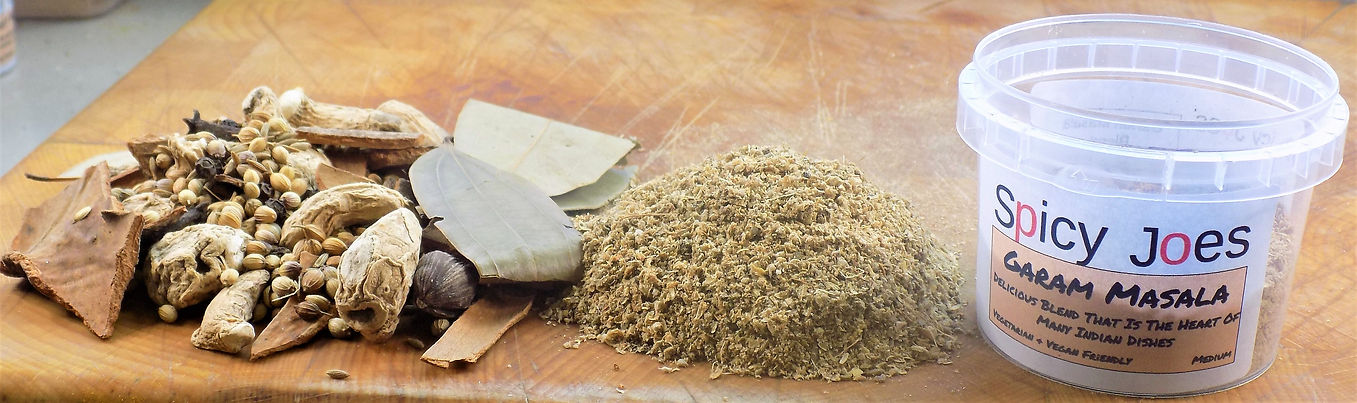
Freshly ground spices and pepper will always give a livelier result than tired jars lurking at the back of the cupboard. Whole cumin or coriander seeds, lightly toasted in a dry pan and ground, smell incredible and bring a deeper flavour to lamb kebabs and chicken skewers. If convenience is the priority, a fresh handmade blend from Spicy Joes gives you that confident balance without measuring five different spices on a busy Friday evening.
Season each popular BBQ meat differently
Steak
Keep steak simple, particularly if you have bought a good cut. Salt and cracked black pepper are enough for many people, with a dusting of garlic granules or ground coriander if you fancy a change. Apply any dry spices just before grilling so they do not draw moisture from the surface.
Do not keep flipping every few seconds. Let the steak form a crust, turn it once or twice, then rest it for five to 10 minutes. Finish with a pinch of flaky salt after resting, not before, for little bursts of flavour.
Chicken
Chicken needs seasoning all the way through, not just a scatter of pepper on the skin. Rub chicken thighs with salt, paprika, garlic, cumin and chilli, ideally a few hours ahead. For a tikka-style direction, use a yoghurt marinade with ginger, garlic, coriander, cumin, turmeric and chilli.
Cook chicken over medium or indirect heat until cooked through, then give it colour over hotter coals near the end. Always check the thickest part is piping hot with no pink meat and clear juices. Bone-in pieces are forgiving and stay juicy, but they need more time than boneless skewers.
Pork and ribs
Pork benefits from sweet heat. A rub of salt, black pepper, smoked paprika, garlic, mustard powder, cumin and soft brown sugar is a crowd-pleaser for chops, belly slices and ribs. Add your sticky sauce only towards the end so it glazes rather than burns.
For ribs, season generously and cook low and slowly with the lid down. The meat should be tender, but not so soft that it falls apart before it reaches the plate. A sharp pickle or a spoonful of tangy chutney alongside the finished ribs cuts through the richness brilliantly.
Lamb
Lamb is made for assertive seasoning. Cumin, coriander, garlic, rosemary, chilli and lemon work especially well, whether you are grilling lamb chops or threading minced lamb onto skewers. A yoghurt marinade is useful for diced shoulder or leg, while chops need only an hour or two with their spices.
Avoid drowning lamb in sauce before it cooks. Let the fat render and the edges char, then add brightness with lemon, mint or a cooling yoghurt dressing when serving.
Timing, temperature and the final flourish
Take marinated meat out of the fridge 20 to 30 minutes before cooking, but never leave it sitting in warm weather for ages. Wipe away excess wet marinade before it hits the grill, especially if it contains yoghurt or sugar. A thick coating can burn before the centre cooks.
Keep one area of the barbecue hot for searing and another cooler for gentler cooking. This simple two-zone approach gives you control: colour the outside over high heat, then move thicker pieces away from the flames to finish without scorching. Put clean cooked meat on a fresh plate, not the dish that held raw meat.
Taste at the end as well as at the start. A squeeze of lemon, a pinch of salt, chopped coriander, crushed black pepper or a spoonful of chilli oil can wake up flavours after cooking. The best barbecue seasoning has layers - fragrance from the spices, savoury depth from salt, a little char from the grill and a bright finish that makes everyone reach for another piece.
Next time the barbecue is on, choose one flavour direction and season with purpose. A handful of good spices, the right timing and a little patience over the coals can turn everyday meat into the dish people talk about long after the garden lights come on.


Comments