
How to Use Curry Powder for Home Cooking
One spoonful can be the difference between a flat midweek dinner and a curry that smells like you’ve actually made an effort. That’s the real appeal of curry powder for home cooking - it gives you a fast, flavour-packed shortcut, but it still leaves plenty of room to cook your way.
If you’ve ever stood at the hob wondering why one curry tastes warm and rounded while another turns dusty, harsh or oddly bitter, the answer is rarely just the recipe. It usually comes down to how the spice blend is built, when you add it, and what you pair it with. Get those three things right and curry powder becomes one of the hardest-working ingredients in the cupboard.
What curry powder actually does in a dish
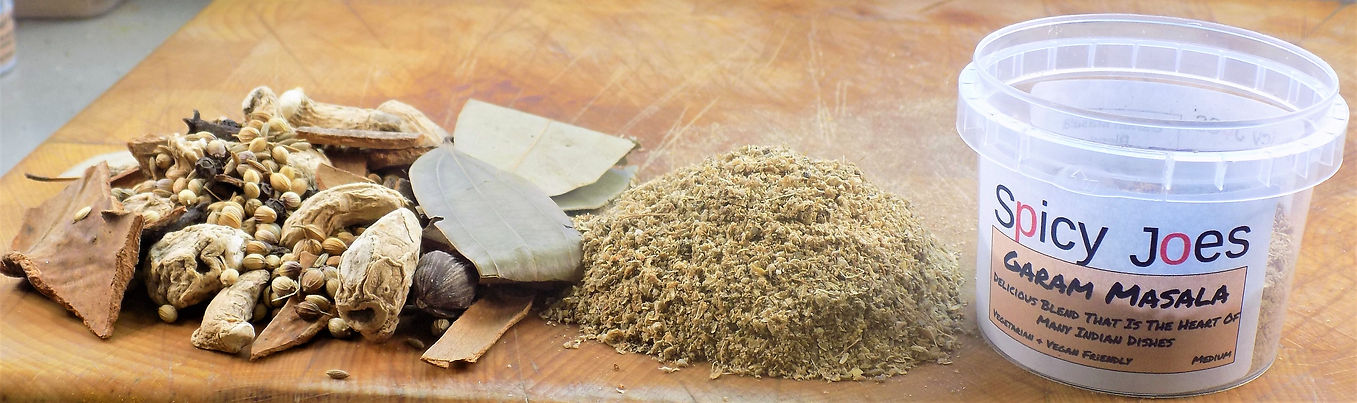
Curry powder is not one single spice. It is a blend, and that matters because every ingredient inside it brings a different job to the pan. Turmeric adds earthiness and colour. Coriander gives lift. Cumin brings warmth and depth. Chilli adds heat. Fenugreek, mustard, ginger, black pepper, cinnamon or cloves might also appear, depending on the style.
That mix is why curry powder can make a dish feel rounded so quickly. Instead of opening six or seven jars, you start with a ready-made base. For busy home cooks, that is a genuine win. It saves time, reduces guesswork and helps you build consistent flavour without turning dinner into a project.
The trade-off is that not all blends behave the same way. Some are mellow and family-friendly. Some lean hot and sharp. Others are designed for specific dishes such as madras, jalfrezi or tikka-style cooking. A good blend should smell lively and fresh, not tired or dusty. If the aroma jumps out of the jar, you are already halfway there.
Choosing curry powder for home cooking
If you want better results, do not think of curry powder as one generic product. Think of it as a flavour direction. A mild blend suits creamy chicken dishes, lentils and traybakes. A hotter blend works well in rich tomato-based sauces, lamb, roasted veg and punchier marinades.
For home cooking, the best choice is usually the one that matches how you actually eat. If you cook for children or prefer gentler heat, start with a balanced blend that focuses on warmth rather than fire. If your ideal Friday night dinner has proper kick, go bolder. There is no prize for buying the hottest spice mix if everyone at the table is reaching for yoghurt after the first bite.
Freshness matters more than many people realise. Spices do not suddenly go bad, but they do lose impact over time. A fresh blend tastes brighter, fuller and more alive. That is why handcrafted spice blends often make such a difference - they do more of the heavy lifting, so you need less fuss elsewhere.
How to get the best flavour from curry powder
The biggest mistake with curry powder for home cooking is throwing it straight into a watery sauce and hoping for the best. It will still add flavour, but it will not taste as rich or complete as it could.
The better approach is to cook it briefly in oil, butter or ghee after your onions, garlic and ginger have softened. This wakes up the spices and helps the flavours bloom. You only need 20 to 30 seconds in many cases. Too little and the blend can taste raw. Too much and the spices may catch and turn bitter, especially if the pan is very hot.
Once the spice has bloomed, add your tomatoes, stock, coconut milk, yoghurt or whatever liquid forms the body of the dish. This gives the spices something to move into, rather than sitting harshly on the surface. If the curry tastes blunt near the end, it may not need more spice. It may need salt, a squeeze of lemon, or a small pinch of sugar to balance acidity.
That balance is where home cooks often level up. Curry powder brings complexity, but the final flavour still depends on fat, salt, acidity and sweetness working together. A great curry is rarely about heat alone.
Best ways to use curry powder beyond curry
This is where a good spice blend earns its shelf space. Curry powder is brilliant in classic curries, but it is just as useful in quick, everyday cooking.
Stir it into soups for warmth and colour, especially carrot, parsnip or lentil soup. Add it to mayonnaise or yoghurt for a punchy dip with chips, wedges or grilled chicken. Toss it through roasted cauliflower, potatoes or chickpeas before they go in the oven. Mix it into breadcrumbs for spiced coating on fish or chicken. Even a simple rice pan becomes more interesting with onions, peas and a spoonful of curry powder.
It also works well in marinades. Blend it with oil, garlic, lemon juice and a little yoghurt for chicken thighs, paneer or cauliflower steaks. Leave it for half an hour if you are in a rush, longer if you are organised. The flavour will not be identical to a takeaway marinade built from multiple ingredients, but it will get you very close with far less effort.
Curry powder for home cooking on busy weeknights
Weeknight cooking needs to be realistic. You want big flavour, but you also want dinner on the table without creating a mountain of washing up. That is exactly where curry powder shines.
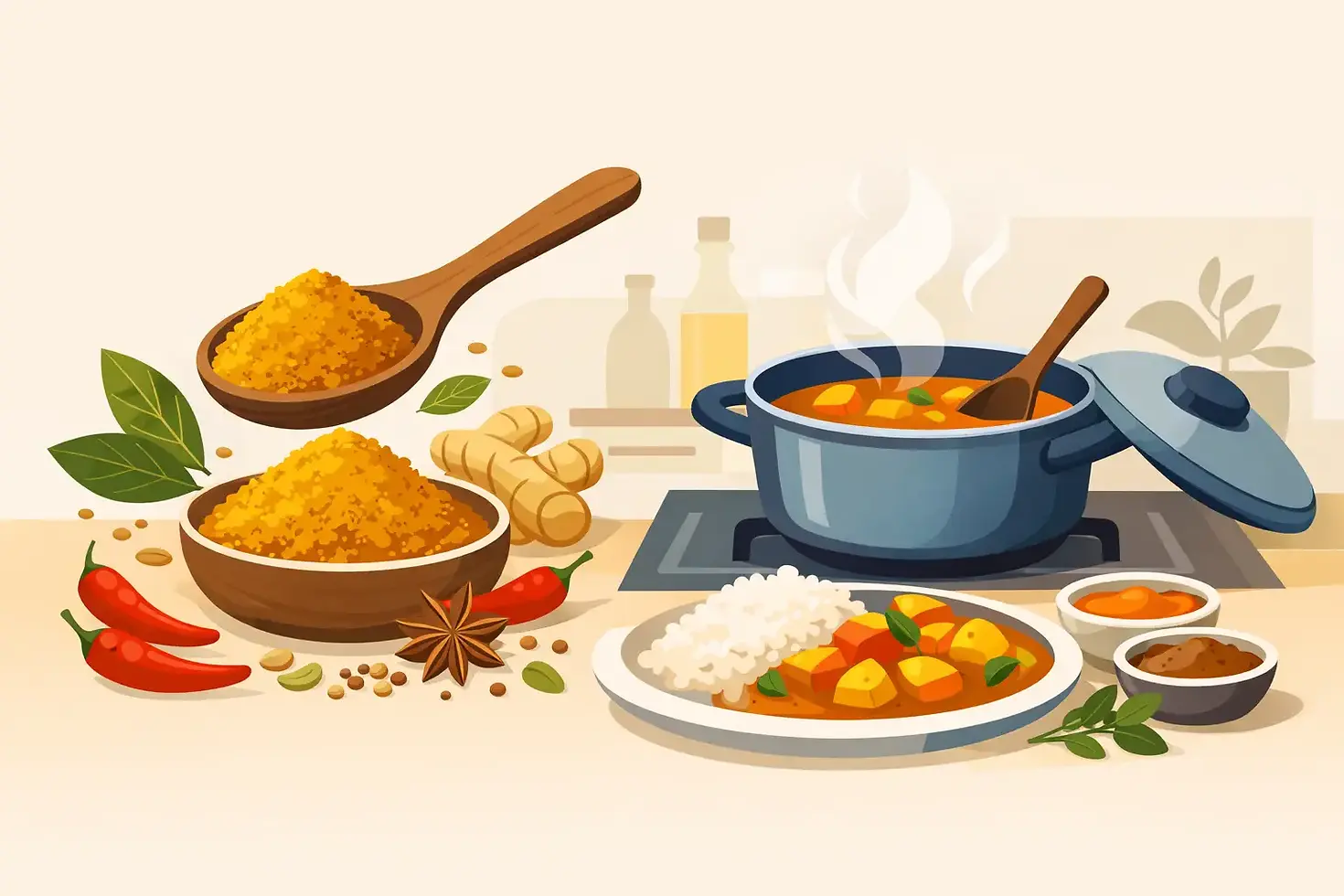
A fast curry can start with onion, garlic and your spice blend, followed by chicken, chickpeas or leftover roast veg. Add chopped tomatoes or coconut milk, simmer until everything is cooked through, and finish with coriander if you have it. Serve with rice, naan or even a jacket potato if that is what is in the kitchen. It does not have to be complicated to taste good.
This kind of cooking is also budget-friendly. A single blend can season multiple meals across the week, and it helps cheaper ingredients taste far more generous. Lentils, beans, potatoes and frozen veg all respond brilliantly to spice. When flavour is doing the work, simple ingredients stop feeling basic.
For cooks who want takeaway-style results at home, speciality blends can make the route even easier. A well-made tikka, balti or madras-style blend gives you more direction than a generic curry powder, especially if you know what sort of dish you are craving.
Common mistakes that dull the flavour
Too much curry powder is one of the easiest ways to spoil a dish. More does not always mean better. If the blend is good quality, start with less than you think and build from there. Overloading the pan can make the sauce muddy and overpower the main ingredient.
Another common issue is not cooking the onions long enough. If they are still sharp and underdone, the whole curry will feel disjointed. The spices need a soft, savoury base to sit on. Rushing that stage costs flavour.
Using an old blend is another culprit. If the jar has been at the back of the cupboard since your last kitchen clear-out, do not expect fireworks. Fresh spices should smell inviting as soon as you open them. If they barely smell of anything, they will taste the same.
Then there is the question of heat. Many people assume a curry powder should be fiery. Not necessarily. Heat is only one part of flavour, and too much chilli can flatten everything else. For family cooking, a medium blend with warmth and depth often gives the best result because everyone can enjoy it. Extra heat can always be added later.
Building confidence with different dishes
If you are new to curry powder, start with forgiving recipes. Chicken curry, lentil dhal-style dishes, roasted vegetables and coconut-based sauces are all good options because they welcome spice and are easy to adjust. Once you get a feel for how your chosen blend behaves, you can use it more freely.
That confidence matters. Home cooking should not feel like a test. A reliable spice blend gives you a head start, especially when you want dinner to feel exciting without spending all evening measuring individual spices. For many households, that is the sweet spot - bold flavour, less faff, and something everyone actually wants to eat.
A specialist food brand such as Spicy Joes leans into that idea for good reason. When blends are made for real dishes and real kitchens, they remove the guesswork but still leave you in control. You get the ease of convenience without sacrificing flavour.
Why curry powder still deserves a place in your cupboard
Some cooks treat curry powder as old-fashioned or less authentic than using whole spices. That misses the point. Authenticity in home cooking is not about making life harder than it needs to be. It is about creating food with character, care and proper flavour. A quality curry powder can absolutely do that.
It is flexible, quick, and surprisingly versatile. It can help you knock together a speedy chicken curry on a Wednesday, add life to roasted veg on a Sunday, or turn leftover rice into something worth eating. The key is choosing a fresh blend, treating it properly in the pan, and tasting as you go.
If your meals need more warmth, more colour and more excitement, curry powder is not a shortcut to avoid. It is one of the smartest ways to make home cooking taste bigger, bolder and a lot more satisfying.


Comments